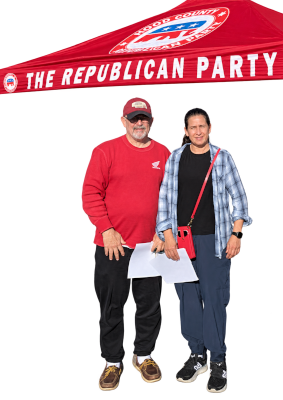
Lorena and I voted a straight Republican ticket this morning. There were lots of people in line in our small, Texas town. I have a good feeling about this election even though we had to hold our noses to vote for some of those RINO’s.
Lorena and I voted a straight Republican ticket this morning. There were lots of people in line in our small, Texas town. I have a good feeling about this election even though we had to hold our noses to vote for some of those RINO’s.
I updated my working plan to get to the production release for the GRIME 3 (water level measurement from ground based imagery) software package. You can find it here.
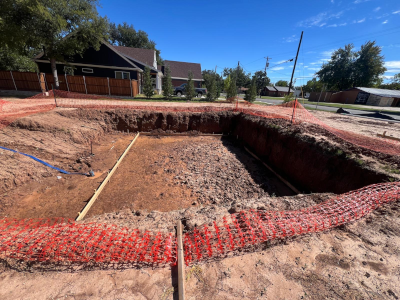
I cannot believe that we have been here two and a half months and still no concrete has been poured for the new house. The latest is that the hole that was dug for the wine cellar is still to wet to pour the concrete. We are hoping it will be dry enough by Monday to get started.
I just about to finished the next version of the GRIME 3 RC9 water level measurement software. I have one more release candidate version to go and then the final production release. After that, I am going to make some hard decisions about what to do next. I might leave GRIME where it is for a while to figure it all out. In the meantime, you can download and install the latest release version here.
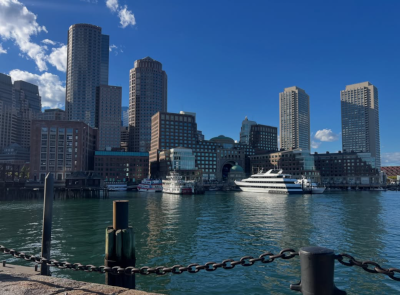
Working at home is a gift and a blessing most of the time, but I miss being in the office with all the people of good will at Thrive Bioscience. Our trip to Boston and time with our team reminded me of that. Boston is such a spectacular city with a culture all of its own. I hope to get out there a little more often than has been possible over the last couple of years, but I am not sure that is really possible both because of my age and because it is just not that necessary, business-wise. Still, I love my job and appreciate my workmates now more than ever.
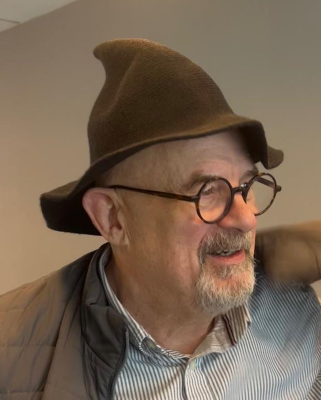
Lorena and Christian hung out in Salem, MA one of the days I had to work in our recent visit to Boston. The town was overrun with visitors celebrating the somewhat dubious October activities that occur there yearly. I call it my Gandalf hat because I am unwilling to acknowledge it is associated with some other loathsome identity!
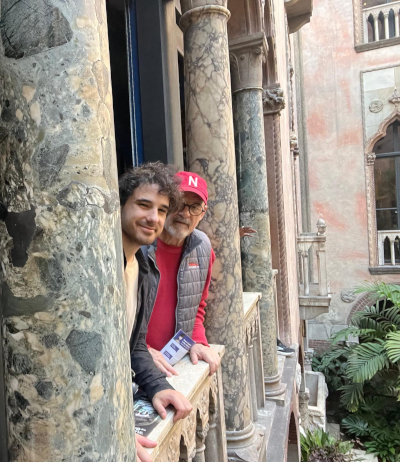
Lorena and I flew to Boston on Monday so I could make a customer visit at Mass. General Hospital and then spend a day in the corporate office. Christian came up from Brooklyn to hang out with us and celebrate our (Christian and my) September birthdays and Lorena and my 34th wedding anniversary. I have an amazing wife, work for an amazing company with an amazing group of people and have an amazing son and an amazing daughter. Lorena and I both came back from Boston, highly invigorated.
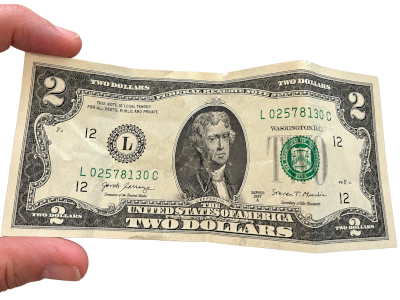
Both Christian and Lorena were offered a two dollar bill on their train ride fro Peabody to Boston for allowing someone to swab their nostril to test for viruses in some kind of public health study. What a deal! Some say it is a sign of good luck. I like to think of it that way. I did not know there were still two dollar bills in circulation.
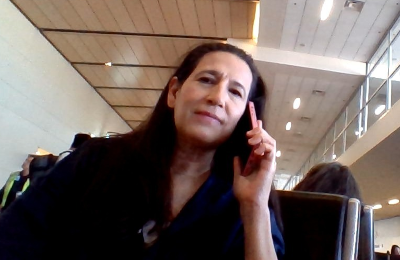
Lorena and I made our way to the airport from Granbury for a solo trip for the first time since returning to Texas. We have found a route that is much easier in just about every way than the drive from Godley to the airport. On arrival, I got a slack message showing an error.
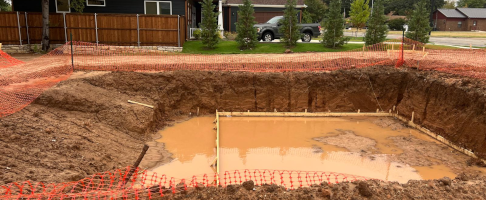
We were expecting a lot of rain over the last few days and got a bunch, but not nearly as much as expected. We are hoping our builder will be able to start build forms to poor the cellar and the foundation on Monday, but we will have to wait and see how much more rain accumulates in the hole they dug for the cellar. Actually, it was a tad bit lower today than yesterday, so we are optimistic.
Powered by WordPress & Theme by Anders Norén