I updated my working plan to get to the production release for the GRIME 3 (water level measurement from ground based imagery) software package. You can find it here.
Category: GaugeCam Page 1 of 2
I just about to finished the next version of the GRIME 3 RC9 water level measurement software. I have one more release candidate version to go and then the final production release. After that, I am going to make some hard decisions about what to do next. I might leave GRIME where it is for a while to figure it all out. In the meantime, you can download and install the latest release version here.
I failed to post here for several days for what seems like a pretty good reason. I have been working aggressively on the GRIME3 software to support new opportunities in both GRIME Lab research and its usage by some of our collaborators. We have reworked the research and development road map with an end to the main GRIME3 functionality work in sight, followed by new research and development on a completely new package we are currently calling GRIME4.
I spent the entire weekend working on improving the new GRIME 3 water level measurement software so it is usable by a collaborator in Idaho. I think I got it into a workable state, but will have to wait to hear back from Troy at UNL when he gets a chance to test it. It was a good time to reflect on what I want to do next now that I have pretty much kicked the idea of a second PhD to the curb. I am not sure what I will do, but going through the exercise of figuring it out has been healthy for me. I hope to spend the next few weeks avoiding making hard choices and doing more reflecting.
I spent the bulk of the weekend finishing up the first release candidate for the web browser based GRIME 3 water level measurement software release candidate. It really is a nice piece of software which we will be testing with one of our users in Idaho. You can download it here: GRIME 3 download.
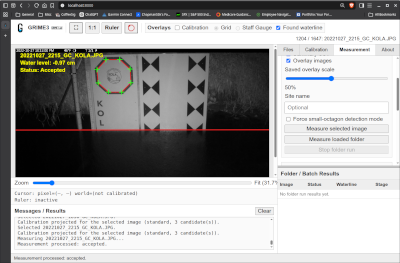
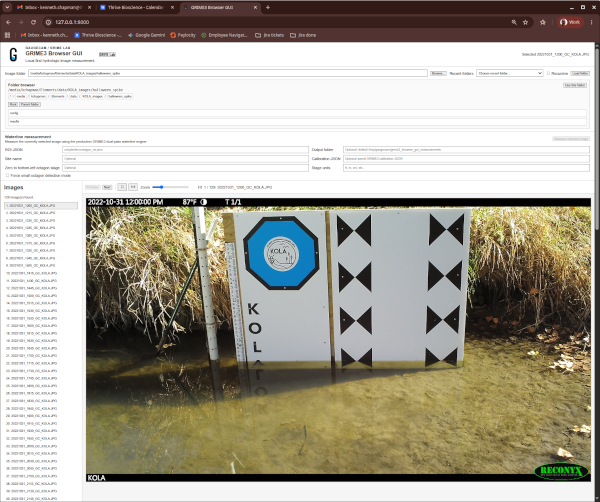
The main functionality of the GaugeCam GRIME3 software is now running in a browser. It was a long weekend and I am sure I will need two or three more similar ones to get it to the point where I can focus on other things. It just feels great that it is working better than ever and I think both its precision and robustness are imporved.
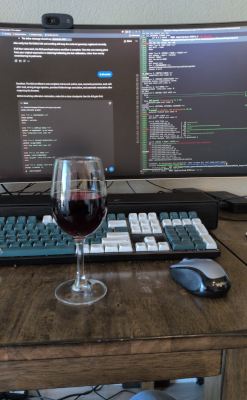
It was at or near 100° Fahrenheit all weekend long, but we had the best and most relaxing weekend in a long time. Saturday morning we ran down to Stephenville to see a little of the very beautiful Tarleton State University campus. Today, after our worship meeting, we ran down to the Kroger grocery store (founded in 1955, the year of my birth) and had a piece of fried chicken–the best in town and way cheaper than a restaurant. After lunch, I drank a couple glasses of Bread and Butter Pinot Noir and worked on the GRIME3 water level measurement software package that now has a couple of places waiting on it in both Nebraska and Idaho. Then I took a nap and now I am waiting for the steak Lorena is cooking for me. Life is good today.
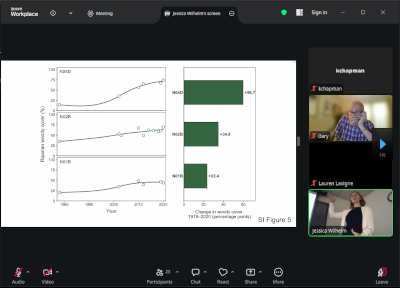
I got to watch a PhD dissertation defense for a University of Kansas student who used our GRIME2 software for one of her dissertation chapters. She did a GREAT job. Troy, Mary, and I all worked with her on her project to measure stage in non-perennial streams.
Not much to say other than everything I have going so far works great. Next step is to be able to create a calibration from scratch.
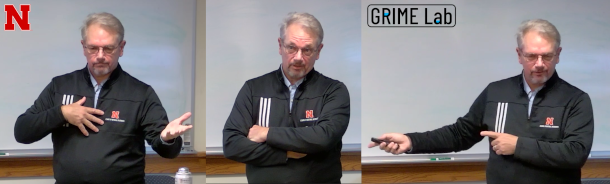
My buddy, John, successfully defended his doctoral dissertation yesterday afternoon and it was a glorious event. We are two old guys who did late career PhD’s with much joy. Honestly, I think John beat me badly in the quality of his doctoral studies and research. It is not that I did badly–I am wildly happy with what I did, but John is a force of nature. Congrats to a very dear friend.